Are Dental Implants a Good Solution For Missing Teeth?
Losing a tooth can make everyday activities harder than expected. You may avoid certain foods, feel uncomfortable when you smile, or notice changes in how you chew. Over time, a missing tooth can also affect the jawbone and nearby teeth.
Dental implants offer a fixed way to replace missing teeth. They use a small post placed in the jawbone to support a replacement tooth. For many patients, implants provide a natural-looking and stable option. However, the right treatment depends on your oral health, bone support, and personal needs.
What Are Dental Implants and How Do They Replace Missing Teeth?
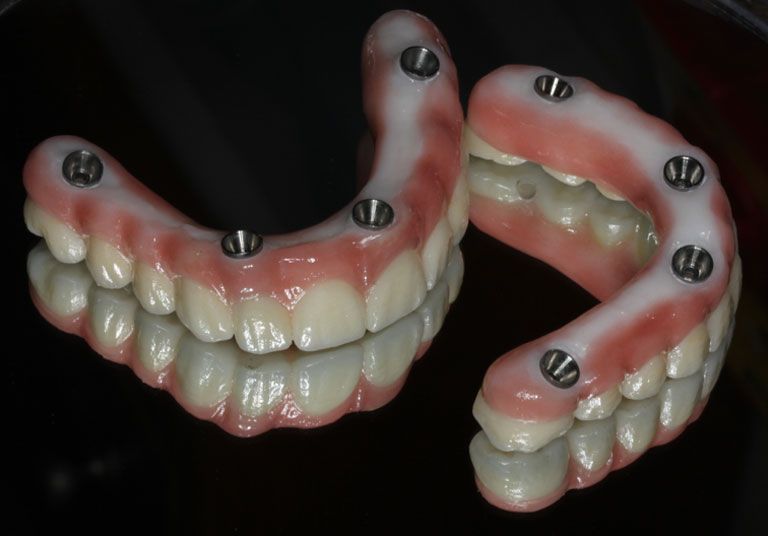
Dental implants are artificial tooth roots that support replacement teeth. A dentist places a small metal post, usually made from titanium, into the jawbone. Once the area heals, the implant supports a crown, bridge, or denture.
A single dental implant usually has three main parts:
- Implant post: This sits inside the jawbone and acts like an artificial tooth root.
- Abutment: This connector attaches to the implant post and supports the replacement tooth.
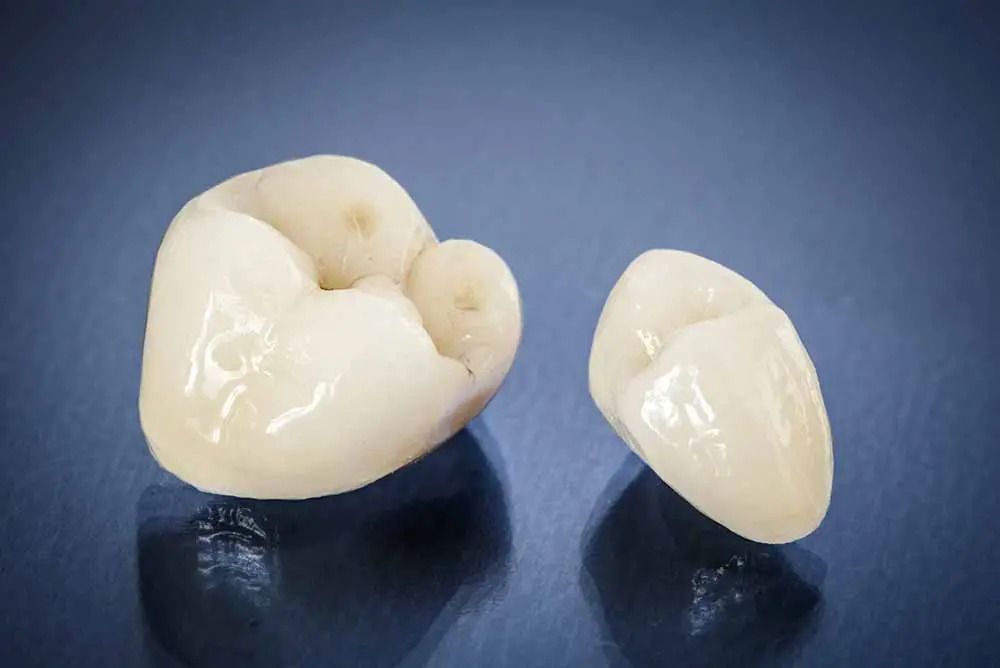
- Dental crown: This is the visible part that looks like a natural tooth.
After placement, the jawbone gradually bonds with the implant. Dentists call this process osseointegration. It helps hold the implant securely in place.
Implants differ from traditional dental bridges and removable dentures. A bridge uses nearby teeth for support, while a removable denture rests on the gums. An implant gets support from the jawbone instead.
What Are the Benefits of Dental Implants?
Dental implants can improve several parts of daily life for patients who qualify. They replace missing teeth while providing support from the jawbone.
Here are some benefits worth considering.
- Better chewing ability: A stable replacement tooth can help you enjoy a wider range of foods. You may find eating more comfortable than with an untreated gap.
- Support for nearby teeth: A missing tooth can leave neighboring teeth more likely to shift. Replacing the gap can help maintain their position.
- Jawbone support: The implant transfers chewing forces to the jawbone. This stimulation can help reduce bone loss around the missing tooth.
- Natural appearance: A custom crown matches the shape and color of surrounding teeth. This helps the replacement blend into your smile.
- A stable fit: An implant-supported crown stays attached during normal eating and speaking. You do not remove it each night like a traditional removable denture.
Dental implants also require daily care and regular checkups. Their long-term condition depends on good cleaning habits and professional monitoring.
What Are the Stages of Dental Implant Treatment?
Dental implant treatment usually takes place over several appointments. Your timeline depends on your bone health, gum condition, and treatment plan.
1. Initial consultation
The dentist examines your teeth, gums, and bite. They also review your medical history, current medicines, and treatment goals. This visit helps determine whether an implant may suit your needs.
2. Dental imaging and treatment planning
Your dentist may recommend dental X-rays or a 3D scan. These images help assess the jawbone and locate important structures near the implant site. If the bone lacks enough support, you may need a bone graft.
3. Implant placement
The dentist places the implant post into the jawbone during a surgical procedure. Local anesthesia helps numb the treatment area. If you need a tooth extraction, the dentist will decide whether to place the implant immediately or wait for healing.
4. Healing and bone bonding
After placement, the bone needs time to bond with the implant. This process is called osseointegration. Healing can take several months, depending on your health and treatment needs. Some patients may receive a temporary replacement tooth during this period.
5. Abutment and final crown placement
Once the implant has healed, the dentist attaches an abutment if it was not placed earlier. They then take measurements or digital scans for your custom crown. After the crown is ready, the dentist attaches it to complete the restoration.
How Should You Care for Your Dental Implants After Treatment?
Good aftercare helps protect the surgical area and supports healing. Your dentist will provide instructions based on the procedure you receive.
Follow these practical steps:
- Choose suitable foods: Eat soft foods while the surgical area heals. Avoid hard, crunchy, or sticky foods until your dentist says they are safe.
- Keep the area clean: Follow your dentist's instructions for brushing and rinsing. Avoid disturbing the surgical site during early healing.
- Take prescribed medicines correctly: Use pain relief or other prescribed medicines exactly as directed. Do not change the dose without professional advice.
- Maintain daily oral hygiene: Once your dentist allows normal cleaning, brush twice daily and clean between your teeth. Pay attention to the area around the implant.
- Attend follow-up visits: Keep scheduled appointments so your dentist can check healing, gum health, and implant stability.
Some swelling, bruising, mild bleeding, or soreness may occur after surgery. Contact your dentist if pain, swelling, or bleeding gets worse instead of improving. An implant that feels loose also needs prompt professional attention.
Who Is a Good Candidate for Dental Implants?
Dental implants may suit adults who have lost one or more teeth and want a fixed replacement. However, missing a tooth does not automatically make someone a suitable candidate.
Your dentist will consider several factors before recommending treatment.
- Healthy gums: Your gums should be free from active periodontal disease. Untreated gum problems can increase the risk of complications.
- Enough jawbone: The implant needs suitable bone support to remain stable. A bone graft may help some patients who have lost bone.
- Good oral hygiene: Regular brushing, cleaning between teeth, and dental checkups help protect the implant.
- Overall health: Certain medical conditions and medicines can affect healing. Your dentist may need to review these details before treatment.
- Smoking habits: Tobacco use can slow healing and increase the risk of implant problems. Your dentist may recommend stopping before surgery.
Your age alone does not determine whether you can receive dental implants. A proper examination helps your dentist understand your individual needs and treatment options.
Why Might a Dentist Not Recommend Dental Implants?
Dental implants are not the right choice for everyone at every stage. Sometimes, a dentist may recommend treating another problem before considering implant surgery.
Severe untreated gum disease can affect the tissues that support an implant. The dentist may first need to control the infection and improve gum health.
Insufficient jawbone can also make implant placement difficult. A bone graft may help, but it adds another procedure and extends the treatment timeline.
Certain health conditions, medicines, and uncontrolled diabetes may affect healing. Smoking can create additional risks for the surgical site. Poor oral hygiene may also increase the chance of inflammation around an implant.
In these situations, your dentist may recommend delaying treatment, arranging further medical evaluation, or discussing alternatives. Dental bridges and removable dentures may be suitable options for some patients.
Where Can You Get Dental Implants in Clermont, FL?
Choosing the right dental provider is an important part of implant treatment. Look for a Dental Office in Clermont, Florida, that can assess your oral health and explain your available options.
Before starting treatment, ask about the dentist's implant experience, imaging process, treatment timeline, and total costs. You should also understand the possible risks and follow-up care requirements.
A consultation can help you decide whether dental implants fit your needs and expectations.
Book Your Dental Implant Consultation Today
Missing teeth do not have to remain untreated. Explore
dental implants in Clermont, FL, to restore your smile and improve chewing function. Schedule a consultation with your dentist to discuss the treatment process, expected timeline, and aftercare requirements.
Conclusion
Dental implants can be a good solution for missing teeth when patients have suitable oral and general health. They offer stable support, natural-looking results, and improved chewing ability. However, every patient needs an individual assessment. Speak with a qualified dental professional in Clermont, FL, to find out whether implants are right for you.